

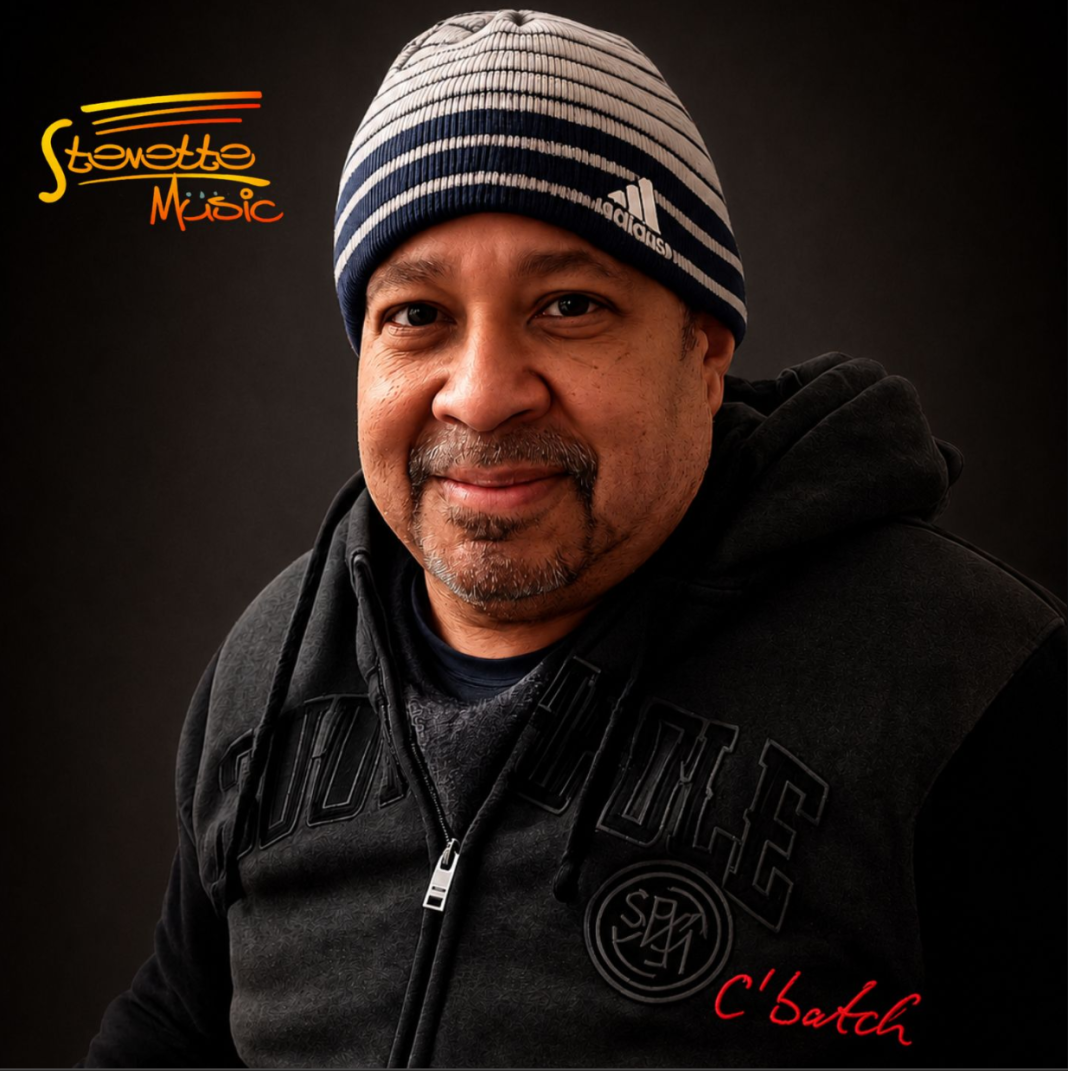
C’batch (Stephen H. Cumberbatch’s musical alter ego) is an incredibly prolific musician and sound architect, known for his wide-ranging, genre-defying music. With his critically acclaimed series of releases, The Vault, C’Batch has covered everything from high energy club, dance and techno to soulful funk, R&B, reggae and rock. These sprawling soundscapes are balanced by deeply personal EPs like Next Time (I Won’t Be Falling) and Trapped (I’m Doing Fine) that show his ability to marry kinetic production with real emotional weight. And with his latest masterpiece, The Vault 4 – Cinematic, he elevates his art to the next level. This sprawling twenty track instrumental album abandons traditional lyrics for telling a story through pure sound.
In an age of fleeting internet trends, The Vault 4 – Cinematic is an important and powerful meditation on the making of the self, the journey of self-discovery and emotional resilience. C’batch departs from vocal hooks and standard pop song structures, creating a universal language through the careful orchestration of soundscapes. In twenty different pieces, the album creates a canvas of revisiting personal history, breaking down mental barriers and allowing true healing to bloom. Each track is a movement along a seamless route, guiding the listener through moments of quiet solitude, high-stakes anxiety, deep vulnerability, and ultimate spiritual liberation.
The Beat of the Nite (Alternate Version)
It all begins with “The Beat of the Nite (Alternate Version),” a song that converts loneliness into a moment of spiritual realization. Still night-time space built on atmospheric synth pads and deep basslines, underpinned by a steady, crisp percussive drive. The music calls to the holy silence of contemplation late at night when the outside world fades and the truth of the inside world is revealed. The first track is a reminder that the real alignment is that we have the courage to sit by ourselves and be with ourselves.
Clubadub (Cinder Circuit Game Board) 3
Taking this quiet awakening as a starting point, the album moves into “Clubadub (Cinder Circuit Game Board) 3,” where the energy picks up to simulate the fast-paced nature of modern life. Fast syncopated beats clash with electronic textures, producing a constantly shifting soundscape that feels like a digital maze. Over the complex rhythm, soaring synth lines, and dynamic harmonic cuts, bringing a sense of strategic focus. The highly charged arrangement strikes just the right note of staying grounded amidst the surrounding chaos, viewing the problems of life as issues to be solved with discipline rather than panic.
Breaking My Heart (Cinematic & Orchestral 1)
In “Breaking My Heart (Cinematic & Orchestral 1) the mind begins to make its way through the maze and the heart takes center stage. Big string arrangements and tender aching piano chords lay bare the wound of emotional fracturing. No talking. But then the music becomes very vulnerable with swelling dynamics, rich orchestral counterpoints. The bombastic instrumentation is contrasted by delicate solo passages, and the message is that heartbreak is not an end, but a fire to forge inner resilience.
Trapped (Mental Telepathy Is) (2)
This heartbreak’s immediate follow-up is “Trapped (Mental Telepathy Is) (2),” which delves into the claustrophobic experience of mental imprisonment and overthinking. Tight interlocking percussive patterns and recurring harmonic phrases build a feeling of internal pressure and self-doubt. But as the song moves forward, these tense, brooding constructions gradually open up into broad, soaring melodic resolutions. This is a metamorphosis, the very moment an internal prison is demolished, proof that mental barriers are self-constructed and freedom comes when we let go of the exhausting loops of doubt.
For one to rise naturally out of this mental liberation, “Ascension (To Our Love)” is a step toward spiritual restoration and emotional healing. The soft piano then lifts the spirit far above past anxiety with grand, luminous brass and string crescendos. What’s beautiful about this arrangement is the way it begins subtle and builds into big triumphant harmonies. This organic evolution of the track is an embodiment of the healing power of unconditional love and a demonstration of how opening our hearts brings us to a space of permanent peace.
Next Time (I Won’t Be Falling) – Cinematic Version 2
That is followed by “Next Time (I Won’t Be Falling) – Cinematic Version 2” about building strong, personal boundaries and self-respect. Bold symphonic swells and determined basslines combine with sharp, staccato percussive drives to create a disciplined, confident structure. And the wisdom of past experience is to be seen in the contrast between the cautious harmonic passages and the firm thematic resolutions. The piece’s clear and purposeful design tells us that protecting our mental health is not about shutting the world out; it’s about honoring our worth with dignity.
“Spring (Alternate Version)” embodies the eternal spirit of hope and renewal, welcoming new beginnings with woodwind inspired melodies, arpeggiated acoustic notes and warm ambient layers. In the cold isolation, quiet textures are sparse, but they gradually blossom out into brilliant growth, into rich harmonies in major keys. This slow unfolding is a reminder that healing is a law of nature and that every tired spirit has the natural ability to bloom again after a long inner winter.
“Have You? (Alternate Version)” moves through time and space, supported by echoing electric piano chords, sustained atmospheric pads and isolated violin lines floating on a gentle sub-bass pulse. Spacey reverbs wide enough to show the quiet questions transmitted across great distances, the ghost of telepathy between two hearts. The subtle breaks in the song show that real connections cannot be broken by physical distance, because the things we experience together build lasting bridges in our memories.
“Cop the Nite 2” is a magnetic thrill of freedom after dark and the bravery to walk into the unknown. Thumping bass, off-kilter rhythms and bright synth counter-melodies create the exhilaration of throwing off the day’s constraints under the cover of night. Sudden rhythmic changes simulate the thrill of breaking away from the routines you can foresee and of breaking new ground within yourself with assurance.
“Badabing (Cinematic 2)” is a riot of lighthearted victory and sudden bursts of inspiration, of sudden clarity. Bright brass hits, syncopated percussive jabs and playful melodic flourishes leap out with dynamic energy that catches you by surprise. It’s that time when you solve a tough problem with a flash of insight. Punchy bursts and smooth pay offs. The jolly arrangement reminds us that breakthroughs are not always the result of a long struggle. Often the solutions come to us in moments of joy.
The Dance Song (Alternate Version)
“The Dance Song (Alternate Version)” is a cathartic release of pent up stress through polyrhyhmic percussion, driving basslines and uplifting synth melodies, taking this joyful clarity and expressing it physically. The layers of rhythmic complexity create a dynamic momentum that calls forth the body to move expressively as a natural tool for healing. Thumping lows and soaring highs together suggest that joy is a choice and that shedding life’s heavy emotional baggage can be as simple as letting yourself go to the rhythm.
Following this energetic release, “That Sparkle in Your Eyes” turns inward, surveying the silent beauty of total openness and gentle intimacy. It’s a peaceful retreat, very intimate, built around gentle piano keys, fading ambient pads and subtle glockenspiel touches. The track doesn’t hunt for loud climaxes, instead favoring soft, subtle dynamic shifts that communicate the warmness of trust and mutual acknowledgment, meaning that when we see ourselves truly reflected in another, it’s a profoundly reassuring and emotionally safe space.
The Chase in the Maple Thunderlight 3
Back in the fray, “The Chase in the Maple Thunderlight 3” expresses the fierce determination it takes to chase one’s ambition in a chaotic environment. Urgent, high-stakes electricity crackles through a soundscape of fast-paced orchestral percussion, sweeping symphonic brass, and flowing string arpeggios. Here the stubborn melody breaking through stormy musical textures shows that one’s individual purpose must be tenaciously sustained even in the midst of turbulent environments.
“The Gift (Alternate Version)” is a sober meditation on adversity and the wisdom gained therein, wondering about the trials of such pursuits. It’s a piece that starts out with sad minor-key cello and piano passages and gradually builds to warm major-key harmonic resolutions over time. The calming exchange of melancholic solo instruments with lush symphonic textures pays tribute to the nobility of patient endurance, sending the message that life’s most precious lessons and deepest inner peace often come wrapped in temporary struggle.
“In the Mood?-2” Settles into Calmness, Softening Style into Smooth Love and Soft Emotional Intimacy. Gentle basslines, brushed percussion and warm electric piano voicings create a relaxed, intimate atmosphere over a bed of nocturnal warmth. The song’s nuance reminds us of the difference between noisy environments and shared silence and implies that true romance is made when we remain present and attentive in simple, unhurried moments.
Next Time (I Won’t Be Falling) 1a
“Next Time (I Won’t Be Falling) 1a” revisits the theme of emotional protection, but in a slicker, more tightly reined-in take on self-preservation. Disciplined percussive motifs, grounded bass textures, and controlled counter-melodies underscore that setting boundaries is a commitment that requires ongoing attention, not a one-time event. That is the way of an inner strength of will. Protecting our emotional sovereignty is an act of self-love and self-awareness that we practice.
Breaking My Heart (Cinematic Version 2)
“Breaking My Heart (Cinematic Version 2)” is about dealing with the silence after the storm of feelings. The depth, the long piano chords and the solo strings explore the quiet space after the first wave of grief. The track is imbued with a sense of the fragile nature of the emotional reparation that takes place in isolation, thanks to the careful silences between the notes. The sparse layout indicates that healing is not complete until we sit with emptiness and honor the past without letting loss define the future.
“Trina-Tina 2” is a bright burst of unapologetic individuality and confidence, bursting out of that reflective space with bright color. Playful synth leads and off-beat syncopated grooves and lively harmonic leaps combine to deliver a spirit that will not bend to expectations. Its effervescent structure urges listeners to take ownership of their own unique truth with pride and to express their own singular identity unreservedly.
“All For You” ends with a glorious climax, a glorious portrait of love in its heroism and selflessness. Thick brass harmonies, steady pulses of percussion and soaring orchestral strings build slowly to a powerful dynamic peak. This song is about the nobility of emotional generosity and how the ultimate fulfillment and inner purpose are to be found in the sacrifice of personal ego for a greater cause.
Completing this epic tale is “Underwater Chorus Chrome Carousel Groove 1,” a dreamy meditation on memory, cycles and peaceful surrender. Submerged liquid filters, rotating synth loops and chorus-drenched ambient layers float serenely beneath conscious thought. Spin and melt slowly into lush acoustic drifts the carousel-like melodies. The album is in a state of total release, ending the epic voyage with infinite spiritual grace.
Underwater Chorus Chrome Carousel Groove 1
The real power of The Vault 4 – Cinematic from a full project standpoint is how the arc reflects the routines and lives of men. Like how we prepare our minds for the demands that await us during the day, from the solitary focus of the early morning (The Beat of the Nite) to the more complex tasks of the day (Clubadub 3). “Midday Challenges & Emotional Friction (Breaking My Heart, Trapped)” indicates we should set clear personal boundaries (Next Time I Won’t Be Falling) but hold on to hope (Spring). As the workday melts into night, we can relax and reconnect with ourselves by searching for personal freedom (Cop the Nite 2), finding a moment of levity (Badabing 2), celebrating movement (The Dance Song), or cherishing a quiet moment of love (That Sparkle in Your Eyes, In the Mood? -2). And finally, the peaceful resignation of the album’s closing song is reminiscent of that peaceful moment when we lay our heads down at night, putting aside the weight of the day so that we may prepare to rest.
To experience The Vault 4 – Cinematic at its absolute finest, listeners should set aside time in a quiet environment free from distractions. Using high-quality, over-ear headphones is strongly recommended to capture every subtle spatial reverb, delicate string texture, and deep bass frequency engineered into the production. Rather than playing it merely as background sound, approaching the album as a continuous, intentional listening experience allows its narrative to unfold fully.
C’batch (Stephen H. Cumberbatch) The Vault 4 – Cinematic is a triumphant milestone for C’batch. He has made an album that is intimate, epic, and universal that believes in the communicative power of instrumentation alone. It’s not just a gem in his vast discography but a timeless, inspiring soundtrack for anyone passing through the complex and beautiful terrain of everyday human life.
For more songs like this, follow C’Batch on Spotify, C’Batch on Facebook, stevettemusic.org