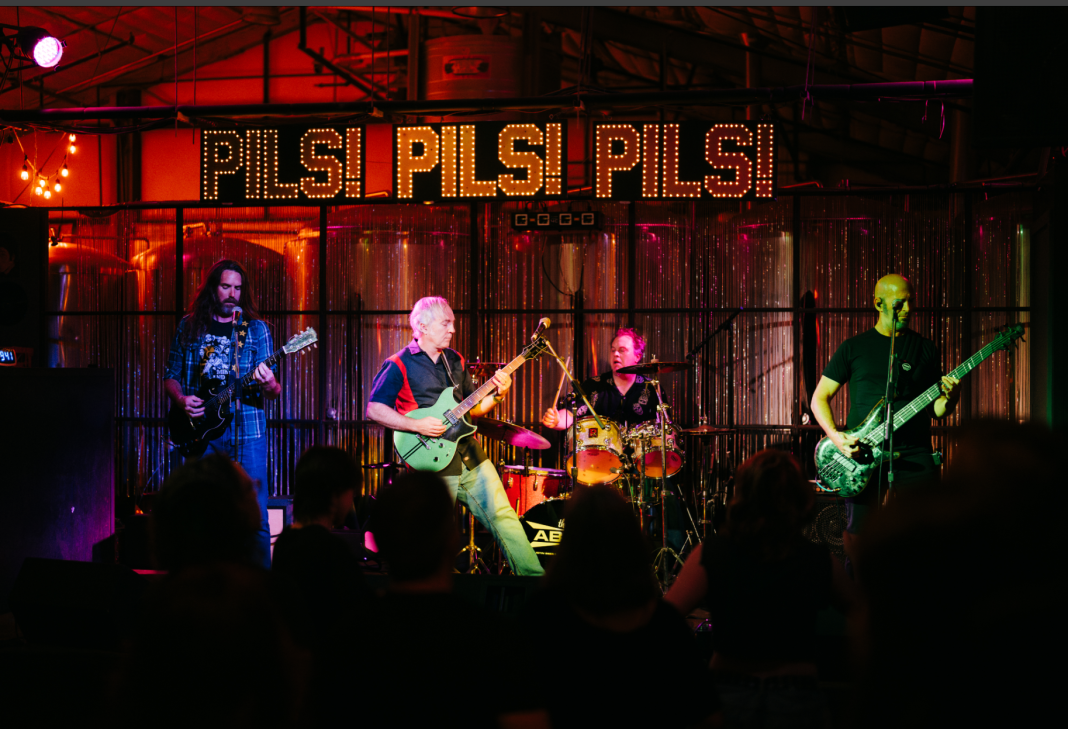


Orshina is a Tel Aviv-based artist who turns deep grief into a powerful sonic landscape through a deeply personal approach to music creation. Orshina’s work mostly takes place in a professional home studio with additional production at the famous Leon Sound Pro studio. He composes emotional pieces inspired by legendary bands like Pink Floyd, Infected Mushroom and Carbon Based Lifeforms. This latest project is not only a musical statement but also a psychological journey through trauma and loss, channelling raw emotion into a commemorative work that seeks to bring comfort and hope in the darkest of times. Orshina’s dedication to musical richness is reflected in the wide variety of instruments and in his collaboration with gifted contributors such as violinist Maianne Tur, drummer Roey Brosh and vocalists Idit Eshel and Shiran Tzfira. The result is immersive soundscapes that speak to the complexity of the human experience in our turbulent world.
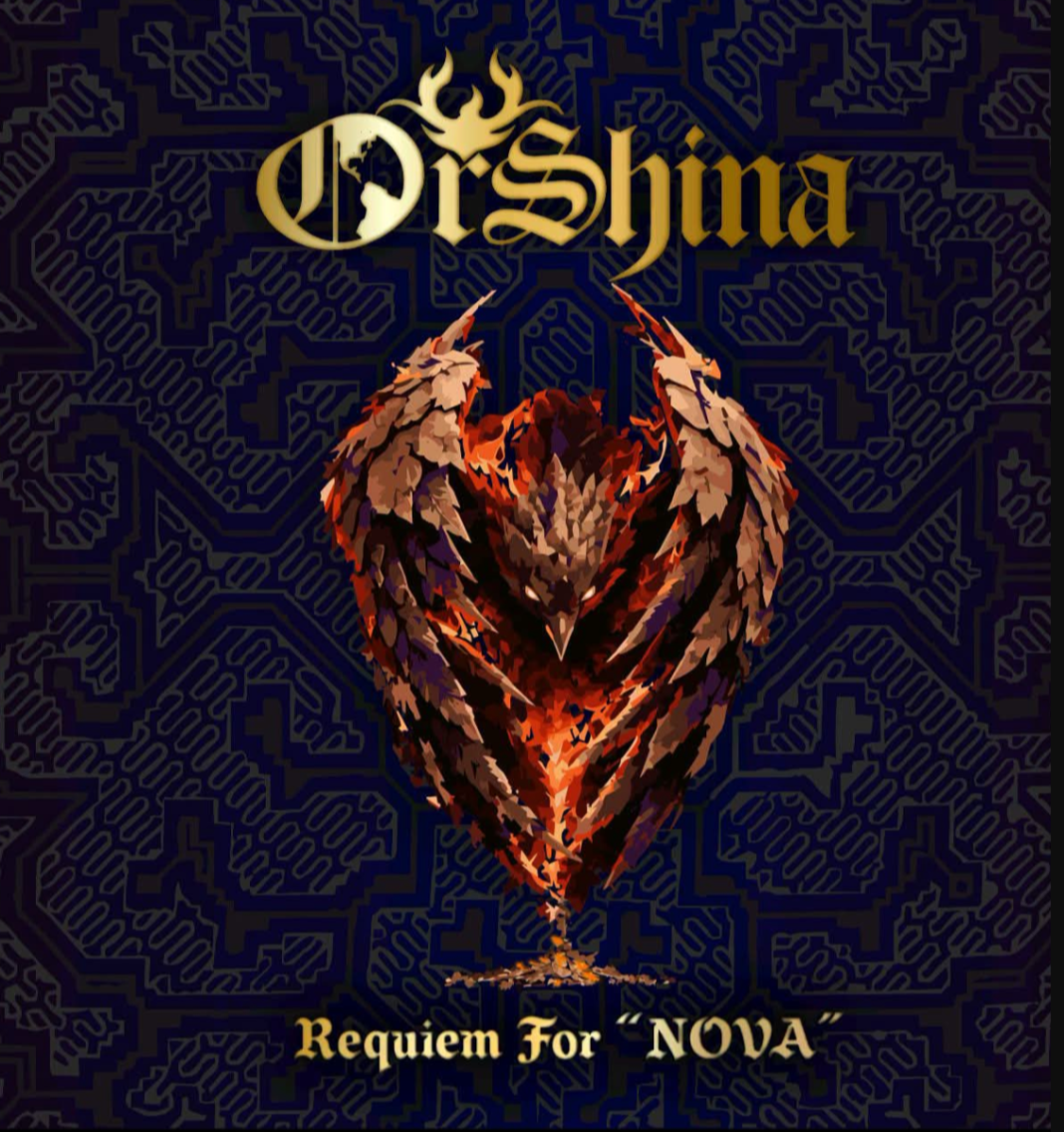
But when tragedy strikes deep, words often fail us. Words can seem too thin, too weak to bear the weight of human grief. This is the best part of instrumental music. In this silent void, a pure expression of feelings, something words can never do . The truth is embodied in Orshina’s album, Requiem for “NOVA.” The record, a sprawling, intricately crafted work, is not merely a collection of songs but a cohesive sonic memorial born from a devastating personal and historical reality — the tragic loss of Orshina’s sister and several close friends in the horrifying events surrounding the Nova festival massacre and its surrounding conflict. Orshina established a sacred space where, in the face of an overwhelming wave of sorrow, anger and disorientation, grief could be present with absolute defiance. Its thesis to the work is one of active remembrance and collective resilience, an interstitial space between profound despair and a relentless quest for hope, with a seamless blend of classic rock, psychedelic guitar leads, heavy metal and electronic downtempo elements.
The album begins with “Graveyard Blues,” a seven-minute number that contrasts the immediate, harrowing shock of loss against traditional, but transformed, musical motifs. The piece begins with slow bluesy guitar bends that consciously imitate the natural rhythm of human weeping, deploying expressive microtonal slides and sustained vibrato to evoke visceral heartbreak. The song develops with dynamic drum movements and heavy, resonating bass lines under the lead guitar, which slowly transforms the initial melancholy into a driving, heavy rock groove. The contrast between the dark, repetitive bass patterns and the high, powerful guitar solos captures the psychological feel of wading through a thick cloud of grief—the constant rhythm reflecting the need to continue on, because you cannot stop.
With a smooth transition into systemic reflection, “Bread & Circus” tackles the jarring juxtaposition of society’s distraction and raw human suffering, taking its thematic title from the Roman concept of panem et circenses.Musically, the work employs rhythmic tension and contrasting textures to depict a world absorbed in superficial entertainment while horrors occur beneath. Heavy distorted rock riffs and swirling electronic synths battle crunchy mechanical drum patterns. The tension of contemporary distraction is evoked in the contrast of staccato, syncopated percussion and fluid, frantic synth lines. The electronic layers are an artificial facade and the gritty, distorted guitar work punctures the synth textures over and over again, forcing the listener back into emotional reality.
Building directly upon this tension, “Hell In Paradise” serves as the critical emotional pivot of the album’s first half, illustrating the jarring juxtaposition of violence shattering a space intended for joy, peace, and music. The piece opens with deceptively rich ambient textures and gentle clean guitar phrasings that evoke a pastoral tranquillity and festive freedom. Then the tranquil melody is ripped apart by harsh abrasive metal riffs and thundering percussion, highlighting the suddenness of horror invading sanctuary.The track continuously oscillates between atmospheric, open passages and aggressive, heavy distorted movements, creating a stark, chilling dynamic landscape that reflects the track’s paradoxical title and mirrors the physical and emotional disruption of the event itself.
“Rest In Music” is an essential emotional break from such intensity, a moment of quiet reflective solace in the surrounding darkness. It’s the shortest track on the album, and it mostly eschews the aggressive distortion and heavy percussion in favour of warm soundscapes, delicate string-like synth pads and clean, echoey guitar tones. The instruments blend softly with lots of reverb and delay effects, creating a large, spacious environment that feels like a quiet prayer or a gentle embrace. The underlying philosophy, of course, is that when language utterly fails, tone and harmony are the last refuge to pay respect to the deceased and bring solace to the living. Removing dense rhythm sections lets the melodic phrasing shine through.
This quiet time of reflection brings the darker and more combative 2nd half of the record, starting with “Dressed Up for the Devil,” a study in human cruelty, deception and the false faces that malevolence wears. The song is propelled by aggressive bass lines, ominous rhythmic structures and searing psychedelic guitar lines: the atmosphere is intense and immediate tension is created. The driving, relentless percussion is the foundation for dual guitar lines that trade off in a complex call-and-response, creating a sense of urgency and psychological struggle. Low end distortion and high, weeping solos make the listener confront the presence of darkness head on. Dissonance and resolving scales represent the unmasking of corruption without easy or artificial resolutions.
The album’s high point and conclusion is the sweeping, almost eight-minute epic “Holocausts and Slavery,” which extends the album’s scope from individual heartbreak to the recurrent, historic tragedies of human endurance. Progressive metal meets atmospheric rock and cinematic sound design, anchored by heavy, deliberate drum hits that support complex, soaring guitar arrangements that cycle through distinct melodic themes of oppression, endurance and memory. Rather than tapering off into defeat, the instrumentation rises through polyrhythmic layers and harmonised guitar leads to a powerful, resonant crescendo. That last echoing echo leaves a permanent sonic footprint, reinforcing the album’s final assertion that grief and history need to be actively remembered and that music itself can be a lasting act of resilience.
But beyond the specific history of Requiem for “NOVA,” there is a very deep connection between its themes and our daily lives and daily routines. We all have moments in our daily journeys when we are unexpectedly heartbroken, when the noise is overwhelming, or when the routine distraction of the modern world clouds what is really important. And the emotional journey that follows in these six songs is a compassionate map for processing these experiences. It reminds us that processing sorrow or trauma is not a linear path but a continuous cycle—one that requires us to grieve openly, navigate through societal noise, seek moments of quiet restoration, face uncomfortable realities head-on, and keep pressing forward together.
We encourage all our listeners to create a space in their lives to listen to Requiem for “NOVA” and experience its emotional depth and craftsmanship. Take some time to listen to the album from start to finish, without distraction, and preferably through high-quality headphones or a properly tuned sound system. Orshina’s journey of transformation is fully realised in a work that is not just an artful tribute to those who were lost but an inspiring testament to the strength and resilience of the human spirit. Embrace the full dynamic range of the instrumentation and you can immerse yourself completely.
For more songs like this, follow Orshina on Spotify, Orshina on Facebook, Orshina on Instagram